Richard Boon
Co-Founder and CEO

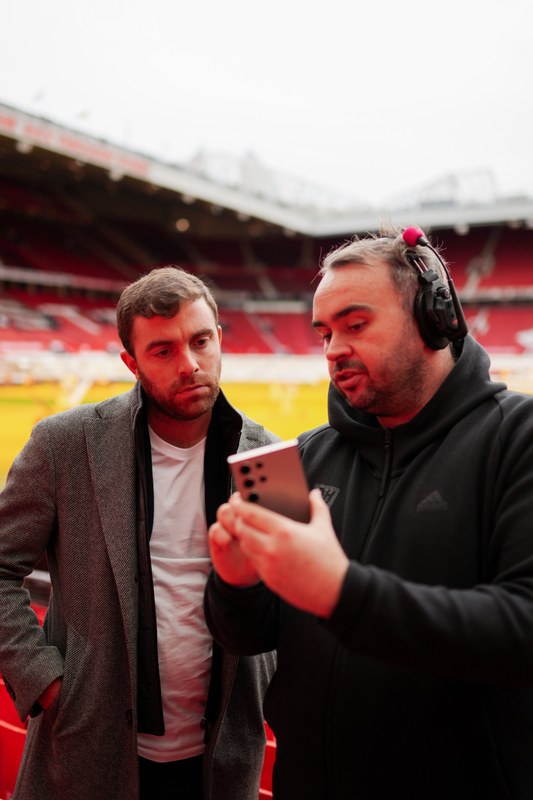


In brief, what does OH SIX do and what is your approach to sponsorship and partnerships?
The best partnerships create moments. The best content connects them.
For us, that means building creative worlds and formats that can grow across a season, not disappear after one campaign.
OH SIX is a creative content house built for the fans of tomorrow, working across sport, entertainment and brands.
We started OH SIX because we saw a gap between two worlds that were increasingly colliding. On one side, brilliant sponsorship strategy, rights, access and talent. On the other, fragmented social audiences demanding a completely different pace, style and frequency of creative storytelling.
Too often, the answer has been to make one big, expensive glossy hero film from a single player appearance, cut it down for different platforms and territories, then hope fans stay engaged until the next major campaign moment. We thought there was a smarter way.

The story behind our name ‘OH SIX’. Ricky and I first met during the process for a pilot of Dragons’ Den in 2006 (‘06), before going on to build our separate careers. Hence, OH SIX.
My background spans 20 years agency-side across video games, retail and e-commerce, delivering major titles and products for Microsoft, Nintendo, Ubisoft and EA. My Co-Founder, Ricky Mason, spent 20 years in television and digital entertainment, directing content with some of the world’s most recognised on-screen talent for Red Bull, JD Sports and Amazon Prime.
Today, we combine the rigour of global brand and partnership marketing with programme-making principles designed to grow and retain audiences. We work both as an extension of agency teams, bringing partnership ideas to life through creative production, and directly with brands to make more of the sporting and entertainment rights they already hold.
Rather than asking how we turn a campaign into content, we ask: Why would somebody choose to watch this, share it or come back? Can it deliver against the KPIs and will it reach the right audience?
What approach differentiates OH SIX and makes your approach to sponsorship content unique?
Our approach is built around three pillars: Attention, Returnability and World-building.
Sponsorships often run across an entire season, yet content investment can still be concentrated into one major moment. Months go into developing a polished hero film, it launches, and then everyone effectively starts again or social goes quiet until the next big push.
We think great ideas should work harder.
Rather than treating social concepts as one-offs, we build creative worlds that can evolve across a season through recognisable, episodic or repeatable formats. “Your Season, Sorted” is our motto
That means investing in a strong creative format upfront, then spending more of the season developing episodes, player or talent moments and supporting platform assets instead of continually reinventing the core idea.
We think more like programme makers. Who are the characters? Where is the humour, jeopardy or journey? What can evolve? What are the recurring elements? Why would somebody return for episode two, three or six?
We have brought that approach to life across F1, Football and the wider Sports & Entertainment sector. Done well, the partnership starts to feel less like a series of disconnected campaigns and more like a familiar world fans can recognise, anticipate and return to.

It can also be a smarter use of creative investment. Build the world properly upfront, then develop it over time rather than putting most of the budget behind one advert with a relatively short lifespan.
The rights create the opportunity. The format creates longevity. The creative gives people a reason to come back.
That same thinking carries into how we built OH SIX operationally. We show up in the way an elite sports team expects its partners to operate: slick, agile and continually improving. From how we present ourselves on set to systemised asset delivery, we constantly look for marginal gains in how the work is made to increase performance.
Sustainability was built into our model from day one too. We take a proactive approach through rewilding, working with B Corp suppliers and sourcing locally where possible, while supporting community impact and employment in lower-income regions. It gives us a measurable way to address both the physical and digital carbon footprint associated with client projects.
What trends are you seeing within sponsorship, and how are they changing the way you work?
Content is becoming less of an activation line item and more of the connective tissue of a partnership.
A sponsorship may run for three, five or ten years. The relationship with the audience needs to live far more frequently than the major campaign moments.
Brands are also competing for attention not simply with other sponsors, but with Netflix, YouTube, TikTok, creators, gaming, music and everything else occupying somebody’s screen.
That makes cultural relevance increasingly important.
If you want to reach a younger football audience, for example, the answer may not simply be more football content. It could be comedy, gaming, music, fashion or a creator who opens the door to a community the brand would not naturally reach.
Creators are particularly interesting in that respect, but they require trust. You cannot hire somebody because of the relationship they have built with their audience and then script all the authenticity out of them.
At the same time, there is a role for experienced creative and production teams in elevating creator-led ideas into high-quality, brand-safe work without losing the personality that made them compelling in the first place.

At my first ESA event I heard the phrase “creative deviance” and loved it.
More character. More humour. More cheekiness. A willingness to make something that does not look exactly like every other partnership activation.
There is certainly room for more of that.
How do you think sponsorship will change over the next five years?
The boundaries are disappearing.
Sport is becoming entertainment. Athletes are becoming creators. Creators are launching brands. Brands are developing original IP. Sport is crossing further into music, gaming, fashion and entertainment.
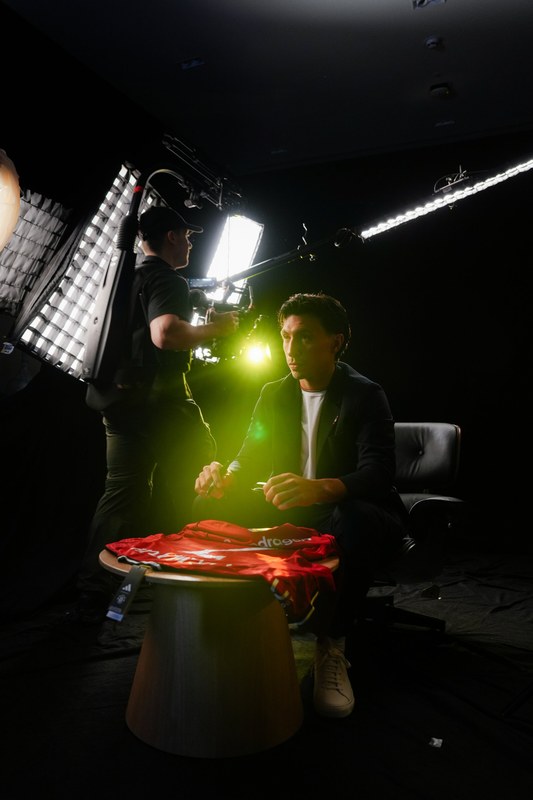
Fans move between those worlds without thinking about which marketing discipline they happen to be participating in.
That creates an enormous opportunity for sponsorship because we already have the things marketers spend significant amounts trying to manufacture: passion, community, talent, access and moments people genuinely care about.
I think we will see more partnerships move away from isolated campaign moments and towards connected creative worlds and recognisable formats that can evolve across seasons.
The winners will not necessarily be the brands creating the most content. They will be the ones giving audiences the strongest reason to come back.
Is there anything else you’d like to add?
Collaboration is central to how we operate. Sponsorship content often sits at the centre of a complicated group of stakeholders: the rights holder, agency, brand, talent and their representatives. We enjoy that complexity and the challenge of finding the win-win-win.
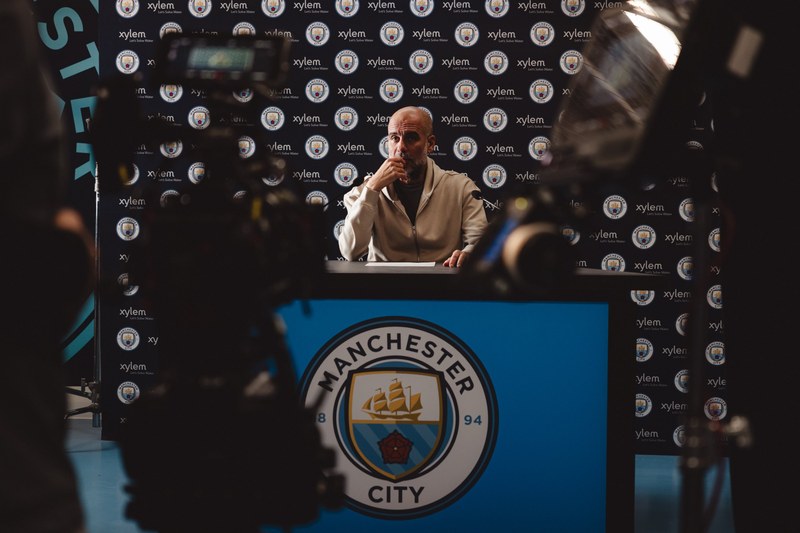
Sometimes we sit quietly behind an agency as an extension of its creative and production capability. Sometimes we work directly with a brand to make its rights work harder. Often our role is simply to align the moving parts, reduce friction and bring everyone behind one creative idea that can be executed with confidence.
For me, that is the opportunity: to take sponsorship moments and start building connected worlds around them. Something recognisable. Something with longevity. Something entertaining, useful or meaningful enough that fans genuinely want to return to it.
That is the future of sponsorship we are most excited about.