From PR disaster and potential financial crisis just six months ago, Formula 1 has bounced back to enjoy one of its strongest seasons in recent history, delivering a golden year for the sport in a Coronavirus-hit 2020. Lizzie Isherwood, Communications Director at ESA member CSM, examines the lessons of the 2020 season.
When the Australian Grand Prix was cancelled at the eleventh hour following the withdrawal of McLaren and amidst rumours of drivers flying home early, the wheels began to fall off the Formula 1 wagon. Media reports painted a picture of poor communication and an apparent lack of leadership from those in positions of power. The sport, and what would have been a record breaking 2020 season – one that would celebrate 70 years of the sport – appeared to be crumbling at its foundations.
As May rolled around, there remained genuine concerns that we wouldn’t see any on-track action all year; the logistical challenges and the navigation of countries’ ever-changing quarantine rules presented organizers with a mountain to climb.
What followed has been nothing short of remarkable. Formula 1 has succeeded in delivering one of the most exciting calendars in years. A safe and fully transparent approach to Covid-19 restrictions and testing allowed the spectacle to continue and for Formula 1 and the ten teams to explore innovative new partner engagement opportunities. The sport has debuted at and returned to some iconic tracks, where we’ve witnessed a tense midfield battle and the emergence of new heroes.
The Elephant in the Room
After the early crisis, confusion and despair, Formula 1 and the FIA deserve praise for how well they’ve handled the crisis to deliver safe racing. From the creation of team biospheres at track, to the regular testing for all personnel entering the circuit, Formula 1 has so far responded incredibly well to external challenges.
As with any delicate matter, transparency builds trust and F1 Media’s weekly updates of Covid-19 tests and results has shown complete transparency. Indeed, when Sergio Perez tested positive for the virus following a trip to Mexico, it was handled openly. Race organisers, teams, media and partners appear to trust Formula 1 and its approach towards safe racing and that will count for a lot as attention starts to turn to next season.
The absence of fans at Formula 1 races is certainly less problematic than empty football and rugby stadia. The nature of the sport means that while the drivers appreciate fans’ presence, their race is not strongly impacted by their absence and the TV viewing experience is largely unaffected, which has softened the blow for partners, too.
An engaged, growing fanbase is still vital for the sport’s future, though, and partners still have customers and prospects to entertain. The lack of fans at track has forced Formula 1, teams, and partners to experiment with new technologies, providing more two-way conversations and breaking down barriers to engage with fans on a whole new level. Don’t expect that trend to go away when ‘normality’ resumes [more on the future of the sport in the second instalment].
A ‘Classic’ Calendar
When Ross Brawn announced hopes of a 15-18-race calendar at the end of March, it seemed like a pipe dream, but Formula 1 delivered, confirming 17 races for 2020. More important – and exciting – was what that calendar looked like. The major challenges within the Americas and APAC have meant that a number of less ‘problematic’ venues have been given a chance to shine and vie for a place on the F1 calendar in future years.
The sport has returned to its roots and expanded its horizons at the same time. Fans are excited, intrigued, and engaged all over again as the sport returns to circuits steeped in history – true ‘driver’s circuits’ such as Imola and the Nurburgring. Meanwhile the complete unknown of new additions such as Mugello and the Algarve International Circuit has added a level of unpredictability that fans will welcome.
Mugello is the perfect example of this. Concluding the season’s third triple-header, the Tuscan circuit played host to its first-ever F1 race and one that marked 1000 Grands Prix for Scuderia Ferrari. Despite skepticism, Mugello provided exciting racing across all of the junior categories, and set the stage for a thrilling F1 race on Sunday. An unforgiving, ‘old school’ track, it won the hearts of fans and drivers alike and has certainly earned a chance for a repeat visit.
Next to make its F1 debut was the Algarve International Circuit in Portimao in October. The track, which features multiple elevation changes, delivered another great spectacle as we saw Kimi Räikkönen carve through the field, gaining 10 places in the opening laps, while Carlos Sainz briefly led for his McLaren team. The feedback from teams, media and fans was overwhelmingly positive, with several calling for Portimao to receive a regular slot on the calendar in future years.
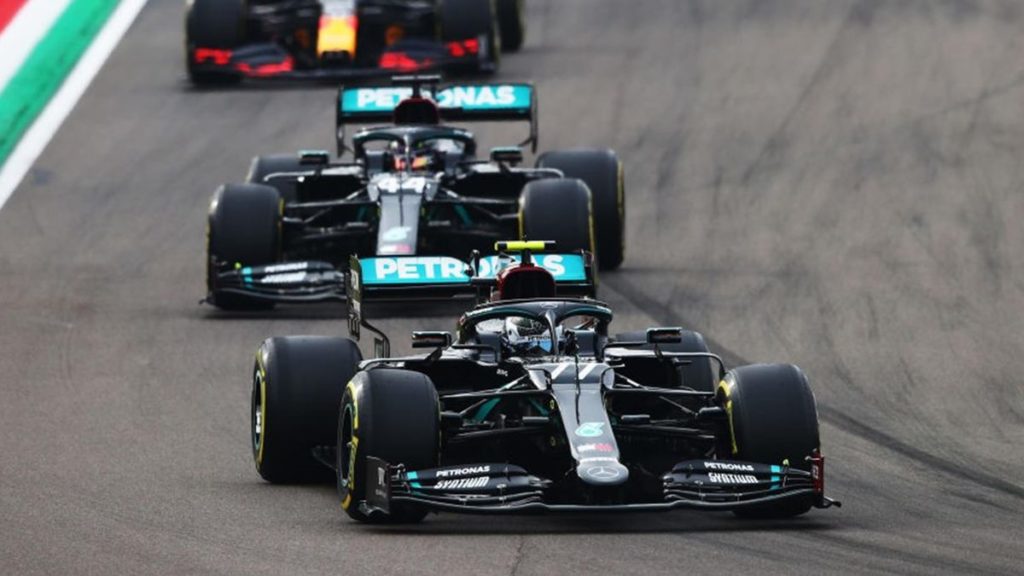
Imola returned to the calendar for the first time since 2006 with the Emilia Romagna Grand Prix and the feeling of motorsport ‘fever’ was palpable. A circuit steeped in history, the drivers visibly enjoyed the challenge of the Italian venue. Despite expectations of a dull, procession-like race, Sunday’s event was anything but, with some bizarre incidents and some hair-raising overtakes.
Imola also represented an opportunity for Formula 1 to experiment with a two-day weekend. High on F1’s list of ways to cut costs is the idea of condensed race weekends, so it’s right that Imola was used for this; whether organisers learned enough to make a decision on a shortened format for the future remains to be seen.
Last to make a surprise return to the calendar is the Turkish Grand Prix, which will take place in November. The Istanbul Park circuit has many characteristics of a ‘classic’ track, and many feel it’s Herman Tilke’s finest circuit. Formula 1 cars haven’t raced at the Turkish venue since 2011, and with the speed of the 2020 cars, we can expect fireworks – particularly in qualifying.
The Midfield Battle is Wide Open
Take a look at the standings and out front, it’s business as usual, but outside of the top three, there’s a mix of drivers who are closely matched on talent and performance. After 13 rounds, there are just 55 points between fourth and 12th place. At the same point last year, that difference was 147 points.
We’ve seen McLaren, Racing Point and Renault become regular contenders for a podium, while Pierre Gasly’s stunning win in Monza has brought his Alpha Tauri team to within just 14 points of Scuderia Ferrari. Ferrari’s torrid season has undeniably dampened the excitement out in front, but it’s paved the way for regularly unpredictable podiums, underlining the caliber of talent throughout the field and the bright future of the sport.
Moments like Gasly’s win aren’t just important for the standings, but also for the sport’s fanbase. The first French winner since Olivier Panis at Monaco in 1996, Gasly became something of a national hero in France, reigniting the country’s love affair with motor racing. The return of the iconic Alpine – currently Renault- to the grid in 2021 could hardly be better timed as France finds its latest Formula 1 star.
We’re being treated to heart-stopping moments between legends like Kimi Räikkönen racing alongside young, raw talents like Max Verstappen, Charles Leclerc and Pierre Gasly. Meanwhile, Lewis Hamilton continues to inspire and engage fans and racers alike, breaking records on the way. And with F1 veteran Fernando returning to the paddock with what will be the Alpine team next season, we’ve got good reason to hope that the sparks will continue to fly between the old and the young guard.
To the future…
Formula 1 has been under the spotlight from the start of the pandemic and after a rocky start, it has succeeded in turning things around to deliver one of the most memorable and unpredictable seasons in recent memory. The on-track spectacle has improved as the sport has taken risks with tracks, while the teams genuinely do seem more evenly matched on pace and talent. What matters now is how Formula 1 takes that momentum into 2021 and beyond. While the on-track action has been fantastic, moments off-track and away from the Coronavirus crisis have also come together in something of a perfect storm to strengthen the business of Formula 1 and its global appeal. More on that in part two.

Lizzie Isherwood is Communications Director at ESA member CSM