Kathryn McColl
Co-Founder

In brief, what does Hark do and what is your approach to sponsorship and partnerships?
I’m the Co‑Founder of Hark, a youth and education agency that helps brands build meaningful, long-term relationships with young people – not through one‑off campaigns, but through lasting impact.
Our work sits at the intersection of insight, education and storytelling. We help brands reach young people where identity is formed: in schools, homes and communities. We design programmes, content and experiences that inspire, build confidence and create genuine value for both young people and the organisations trying to reach them.
And when it comes to sport – one of the most powerful forces shaping confidence, identity and belonging – this work becomes even more meaningful. That’s why we created Hark Sport, a dedicated sub‑brand for partners who want to use sport to inspire, include and elevate the next generation, while building relevance and reputation in the places young people already learn, grow and form their interests. Within sponsorship, our approach is simple: we start with young people themselves.
Too often, sponsorship assets are designed from an organisational perspective – we flip that. We ask: What do young people need? What do they want? What excites them? What barriers are they facing? How can a brand’s rights genuinely unlock something for them?
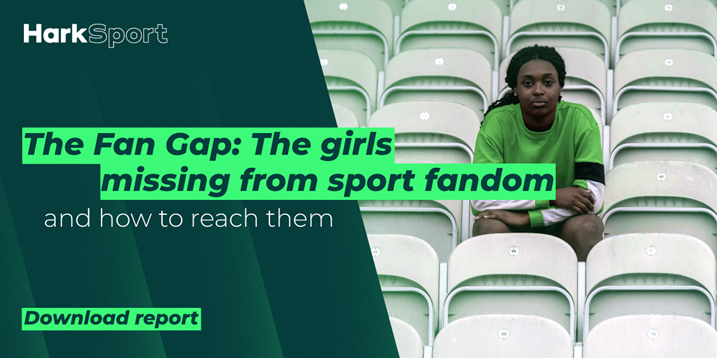
Our latest study, The Fan Gap, captures this philosophy perfectly. Speaking to 1,504 young people aged 11–17, the research revealed that 40% can’t name a single sportswoman, despite the enormous growth in women’s sport. That insight presents not a criticism, but a clear opportunity: a gap the right partners can help close by creating more relevant and meaningful youth engagement.
What approach differentiates Hark and makes your sponsorship strategy unique?
What differentiates Hark is our ability to bring sponsorship to life in spaces where young people learn and grow. Rather than delivering sponsorship in stadiums, fan parks or digital channels alone, we take the power of sport into classrooms, communities and families – cost‑effective, high‑reach environments that reflect every corner of the UK.
Schools, in particular, offer a unique opportunity to gather real stories and impact data, demonstrating the difference your sponsorship is making and enabling delivery at scale.
Hark’s USP comes from three core principles that underpin everything we create:
- Youth insight as infrastructure
Every programme we create starts with young people themselves. We begin by understanding what they’re thinking, feeling and experiencing – the motivations that spark their interest, the barriers that hold them back, and the real‑life contexts that shape their identity.
By grounding our work in their lived realities, we ensure every programme lands with authenticity and relevance. It means we design for what young people genuinely need, not what sponsors assume they need. - Creating incomparable learning experiences
We create educational experiences that wow and genuinely stay with young people – moments that go beyond the classroom and bring sport to life. Our programmes often give young people the chance to see sport in real life: attending matches, experience sport and learning about athletes.
It’s exactly what young people told us they want in The Fan Gap research – stories they can connect with, role models they can relate to, and real‑world experiences that make sport feel accessible.
We help sponsors turn these moments into lasting impact, creating experiences that resonate long after the final whistle. - Impact that aligns brand objectives with real-world change
Modern sponsorship needs to demonstrate measurable social impact. We help brands deliver programmes that grow reputation, drive purpose, build talent pipelines and connect them authentically to the communities they serve – all while giving young people skills, confidence and opportunities they wouldn’t otherwise have.
What do you see as current trends within sponsorship, and how are they affecting how you work and deliver on strategy?
Across the partnerships we deliver, we’re seeing three trends consistently shape sponsors’ strategy – and, in turn, shaping how we design our work.
First, there’s a continued emphasis on purpose‑led sponsorship, mirroring ESA’s industry reporting. Partners want to demonstrate genuine social value – not as an add‑on, but as a core part of their strategy. That means work that delivers clear, measurable impact in schools and communities.
Second, we’re seeing a strong shift towards longer‑term activations. One‑off moments don’t shift perceptions. Sustained engagement does. Multi‑year programmes create continuity, deepen trust and build relevance for young people over time – which is where school‑based delivery thrives.
Third, there’s growing demand for employee involvement. Brands want their people out in schools and communities – meeting young people, delivering workshops and seeing impact first‑hand. It strengthens internal culture and makes partnerships feel more human.
Together, these trends signal a broader shift: sponsors want real wow – bold, creative experiences that bring partnerships to life for young people, families and communities.
How has sponsorship changed for Hark over the past five years, and what predictions can you make for the next five?
Five years ago, youth engagement within sponsorship was often treated as a “nice to have”. Today, it’s firmly becoming a strategic priority.
Across our work, we’re seeing rights‑holders and brands place far greater emphasis on engaging young people early – not only to build future audiences, but to strengthen community connection, talent pathways and long‑term relevance. Looking ahead, we expect four shifts to define the next five years:
- More long-term investment
Sponsors are moving from short‑term campaigns to multi‑year partnerships that build trust and deliver meaningful, measurable outcomes. - A push for more ambitious, memorable activation
There’s growing appetite for more creative, distinctive wow experiences. Young people want relevance, interaction and energy – and sponsors are raising the ambition of their activations in response. - Greater focus on younger audiences
As competition for attention grows, early engagement is becoming essential. Primary and early secondary years are where interests form and long‑term loyalty is built. - A sharper emphasis on impact over reach
The focus is shifting from “How many people saw this?” to “What difference did it make?”. Meaningful outcomes, data and lived stories are becoming central to how sponsorship value is measured.
Is there anything else you’d like to add?
The Fan Gap shows how much potential sits within young audiences – especially girls. 40% can’t name a sportswoman, and 1 in 3 girls doesn’t know where women’s sport is broadcast. Confidence, visibility and belonging all drop at a stage when identity is rapidly forming.
For the industry, this is a moment to put young people at the centre of sponsorship strategy. They are the future fans, participants and talent – and the data shows exactly where they need more from us: more visibility, more relevance and more opportunities to connect.
Sponsors have a powerful role here. Not just amplifying big moments, but shaping the everyday touchpoints – in schools, communities and trusted spaces – that help young people see themselves in sport in the first place.